
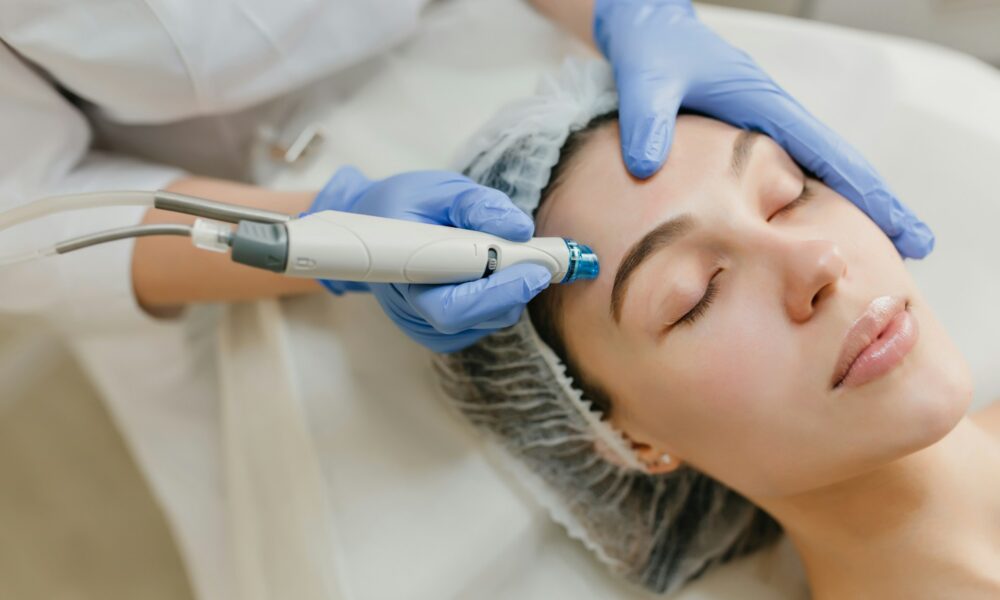
For many, the idea of rolling hundreds of tiny needles over the face sounds like a nightmare rather than a beauty treatment.
Yet, this procedure has become one of the most sought-after therapies in dermatology clinics worldwide. Known clinically as collagen induction therapy, microneedling offers a compelling middle ground between mild facials and invasive surgeries.
The treatment operates on a simple premise: stimulating the body’s internal healing mechanism to repair and rejuvenate the skin from the outside in. By creating microscopic channels in the dermis, the procedure forces the skin to produce new tissue.
The result is often smoother, firmer, and more toned skin. While the concept might seem intimidating initially, understanding the specific advantages can demystify the process.
Whether you are dealing with lingering acne scars, sun damage, or the natural signs of aging, this versatile procedure addresses a wide spectrum of concerns. In this article, we will explore the primary microneedling benefits and why it remains a top choice for skin rejuvenation.
Understanding the Mechanism of Action
To appreciate the results, one must first understand the physiology behind the treatment. Microneedling involves the use of a device equipped with fine, sterile needles to puncture the skin.
These punctures are superficial and controlled, designed not to cause lasting damage but to trigger a biological response.
Collagen Induction Therapy Explained
When the skin detects these “micro-injuries,” it immediately rushes to repair the perceived wound. This response stimulates the production of collagen and elastin—the two proteins responsible for skin structure and elasticity.
As we age, collagen production naturally slows down, leading to sagging and wrinkles. By jump-starting this process, the skin creates fresh, stronger tissue, effectively replacing older, damaged layers.
Combating the Signs of Aging
One of the most common reasons patients seek out this skin care treatment is to address premature aging. As the structural integrity of the dermis weakens over time, fine lines and deep wrinkles begin to form, particularly around the eyes, mouth, and forehead.
A Natural Lift for Lax Skin
Unlike injectables that fill space or freeze muscles, microneedling improves the actual quality of the skin.
The influx of new collagen helps to thicken the dermis, which can soften the appearance of wrinkles and tighten loose skin. It serves as one of the most effective non-surgical anti-aging solutions available, providing a natural “lift” that improves over several sessions.
Minimizing Scars and Hyperpigmentation
Scar tissue, particularly from acne, is composed of collagen that has formed in an abnormal, fibrous pattern. Microneedling creates a controlled injury that breaks up these old fibrous bundles and encourages the regrowth of smoother, healthier tissue.
Treating Acne Scars and Sun Spots
This method is particularly effective for depressed acne scars (like rolling or boxcar scars). Furthermore, it can help regulate melanocyte activity, which is responsible for pigment production. This makes it a viable option for reducing the appearance of:
- Sunspots and age spots
- Melasma
- Post-inflammatory hyperpigmentation
- Surgical scars
Refining Pore Size and Texture
Even if you don’t have deep scars or wrinkles, you might struggle with rough skin texture or enlarged pores. Large pores are often caused by a lack of supportive collagen around the pore opening, causing it to dilate.
Achieving a Smoother Canvas
By reinforcing the collagen matrix around the pores, microneedling helps them appear smaller and tighter. Simultaneously, the turnover of skin cells leads to a polished, smoother surface. Many patients report that their makeup applies more evenly and their skin looks more radiant, even without cosmetic coverage.
Enhancing Product Absorption
A significant, often overlooked benefit of this procedure is its ability to supercharge your existing skincare routine. The stratum corneum (the outermost layer of the skin) is designed to be a barrier, which protects us but also prevents topical serums from penetrating deeply.
Creating Micro-Channels for Delivery
The tiny punctures created during the treatment act as micro-channels. For a short window of time after the procedure, topical products can bypass the outer barrier and penetrate deeper into the dermis, where they can be most effective.
Dermatologists often apply hyaluronic acid, Vitamin C, or platelet-rich plasma (PRP) during or immediately after the session to maximize hydration and healing.
Safety Profile and Recovery
Compared to laser treatments or chemical peels, microneedling is generally considered safe for a wider range of skin types, including darker skin tones, which might be at risk for pigmentation issues with heat-based therapies.
Minimal Downtime Required
While recovery varies depending on the needle depth used, most patients experience only minor side effects. These typically resolve within a few days. Common post-treatment effects include:
- Redness resembling a mild sunburn
- Minor swelling or sensitivity
- Dryness or flaking as the skin renews
It is crucial to follow aftercare instructions strictly, which usually involves avoiding direct sun exposure and skipping makeup for at least 24 hours.
Your Path to Renewed Confidence
Investing in your skin is a long-term commitment that yields visible rewards. Microneedling stands out as a powerful tool in the dermatological arsenal because it harnesses the body’s own power to heal and renew.
By stimulating collagen, smoothing texture, and fading imperfections, it offers a comprehensive approach to skin health. If you are ready to see if this treatment is right for your specific skin type and goals, schedule a consultation with a certified dermatologist or licensed aesthetician.
They can create a tailored treatment plan to help you achieve the radiant results you desire. To learn more about our specific treatment packages, please contact our clinic today.