
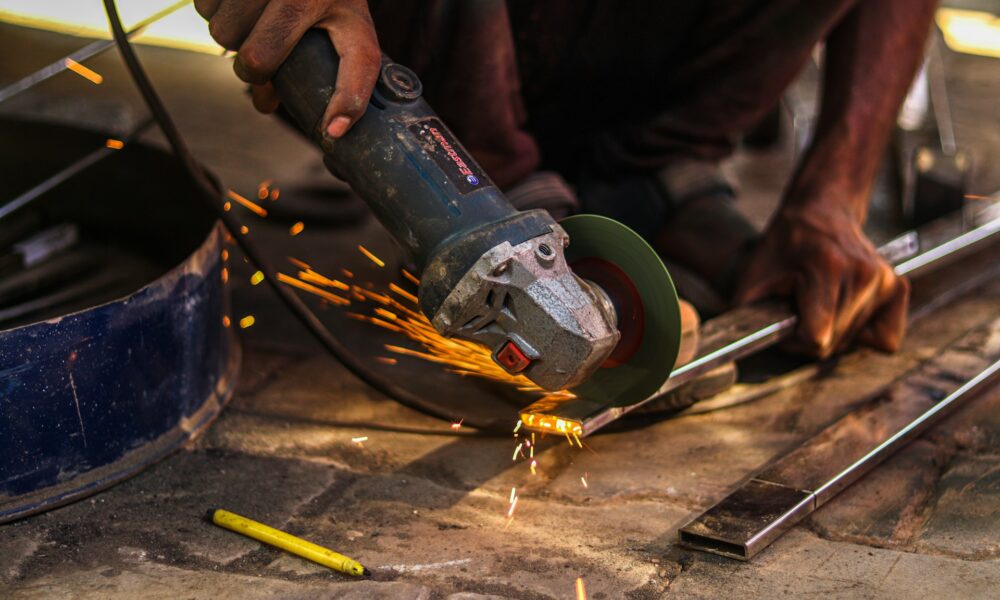
Cutting materials accurately forms the foundation of modern construction and manufacturing. From laying pipes in residential buildings to constructing massive aerospace components, every successful project begins with a precise cut.
Selecting the appropriate equipment can mean the difference between a profitable job and costly downtime.
Professionals across various trades need reliable solutions to meet rigorous daily demands. Accessing comprehensive cutting tool resources helps machinists and builders make informed decisions about their gear.
You can find an extensive catalog of top-tier manufacturing equipment and technical guidance on this website. This guide explores the key factors involved in optimizing your machining and sawing processes.
You will learn how to identify the right equipment for specific materials, understand the demands of heavy-duty environments, and discover innovative products designed to increase your operational efficiency.
The Importance of Reliable Cutting Tool Resources
Elevating Project Standards
Having access to high-quality information and tools directly impacts the quality of your finished product.
When operators use the correct saw for the job, they produce cleaner cuts with minimal burrs or deformation. This precision reduces the need for secondary finishing processes. Relying on trusted manufacturers ensures that your equipment performs consistently under pressure.
Maximizing Operational Efficiency
Time is money on any job site. Using the wrong tool often leads to slow cutting speeds, frequent blade changes, and excessive material waste. By leveraging expert advice and specialized products, you can significantly boost your output.
Consider the following benefits of using optimized equipment:
- Decreased machine downtime for blade changes.
- Reduced material waste due to inaccurate cuts.
- Lower energy consumption from smoother cutting actions.
- Extended lifespan of your sawing machinery.
Mastering Blade Selection for Every Material
Navigating Ferrous and Non-Ferrous Metals
Proper blade selection determines the success of your metalworking tasks. Ferrous metals, like carbon steel and stainless steel, require hard, durable teeth capable of withstanding high heat and friction.
Non-ferrous metals, such as aluminum and copper, need specific tooth geometries to prevent material from clogging the gullets. Understanding these differences allows operators to choose the exact specification needed to cut smoothly without damaging the workpiece.
Handling Specialty Materials
Beyond standard metals, modern manufacturing often involves complex composites, plastics, and superalloys. These specialty materials present unique challenges. A standard bi-metal blade might struggle against a hardened superalloy.
In these cases, upgrading to specialized carbide-tipped or cermet options ensures you can penetrate the material efficiently. Always match the tooth pitch and material composition to the specific density of your target material.
Tackling Complex Industrial Applications
Large-Scale Manufacturing Needs
Heavy manufacturing facilities operate on tight schedules with high-volume production targets. In these industrial applications, tools must endure continuous use over long shifts.
Band saw blades used in the production cutting of large billets must offer exceptional fatigue resistance and heat dissipation. Equipment failure in these settings causes severe bottlenecks, making durability the primary concern for facility managers.
Construction and Infrastructure Demands
The construction sector requires highly versatile and portable equipment. Workers frequently transition between cutting pipe, structural steel, and nail-embedded wood. The tools must be rugged enough to survive harsh outdoor environments while delivering precise results.
Common requirements for construction sites include:
- Portable band saw blades for on-the-spot modifications.
- Heavy-duty hole saws for running electrical and plumbing lines.
- Circular saw blades that can cut metal cleanly without producing hazardous sparks.
High-Performance Hole Saws for Precision Work
The Bi-Metal Advantage
Bi-metal hole saws offer a fantastic balance of flexibility and cutting power. They feature a tough, high-speed steel cutting edge welded to a flexible spring steel back. This design minimizes the risk of shattering under heavy loads.
An optimized bi-metal option can cut through machinable metals, stainless steel alloys, and wood seamlessly. Features like a solid cap minimize vibration, while enhanced side slots provide leverage for quick slug removal.
Carbide Tipped Innovations
When bi-metal isn’t enough, carbide-tipped hole saws step up to the plate. Products like the Kraken hole saw are engineered for highly abrasive materials.
They excel at cutting fiberglass, laminates, and fiberboard. The carbide teeth offer better chip clearance and faster slug removal. This results in highly accurate holes with incredibly clean edges, saving time on finishing work.
Circular and Band Saw Blades for Demanding Jobs
Metal Devil Circular Saws
Metal cutting circular saws require specialized designs to manage heat and maintain sharp edges. The Metal Devil line utilizes carbide and cermet technologies to deliver unrivaled lifespan and speed. These blades cut cooler and cleaner than traditional abrasive wheels.
They leave a smooth finish on thin steel, aluminum, and stainless steel, virtually eliminating the need for post-cut grinding.
Heavy-Duty Band Saws
Band saws remain the workhorses of the metal cutting industry. Choosing the right band saw blade involves analyzing the machine size, material shape, and production volume.
- Bi-Metal Portable Blades: Ideal for field work, cutting pipe, tubing, and solids with hand-held machines.
- Carbide Tipped Blades: Products like the Jawbreaker are necessary for cutting massive billets of superalloys. They provide the extreme hardness required for continuous production cutting.
- Coated Blades: Options featuring temperature-resistant coatings can double the productivity of standard uncoated blades by drastically reducing friction and heat buildup.
Leveraging Expert Support and Knowledge
Accessing Technical Data
Even the best tools underperform if used incorrectly. Operators must understand the correct speeds, feeds, and coolant applications for their specific setup. Relying on manufacturer technical data sheets helps eliminate the guesswork.
Reviewing speed charts and tooth pitch recommendations ensures you run your machines at the optimal settings for your selected blade and material combination.
Partnering with Industry Leaders
Building a relationship with an experienced manufacturer provides long-term value. Companies with decades of engineering experience offer more than just products; they provide solutions.
By consulting with technical specialists, businesses can audit their current cutting processes, identify areas for improvement, and implement strategies that significantly reduce the cost per cut.
Equip Your Team for Success
The landscape of industrial cutting requires precision, durability, and deep technical knowledge. Equipping your facility with the proper gear ensures your team can handle any material safely and efficiently.
Take the time to evaluate your current inventory and identify areas where upgrading to advanced carbide or specialized bi-metal options could improve your workflow.
Focus on matching the right blade to your specific daily tasks to minimize downtime and maximize yield. Review your operational requirements today, consult with technical experts, and invest in the reliable tools necessary to drive your business forward.