
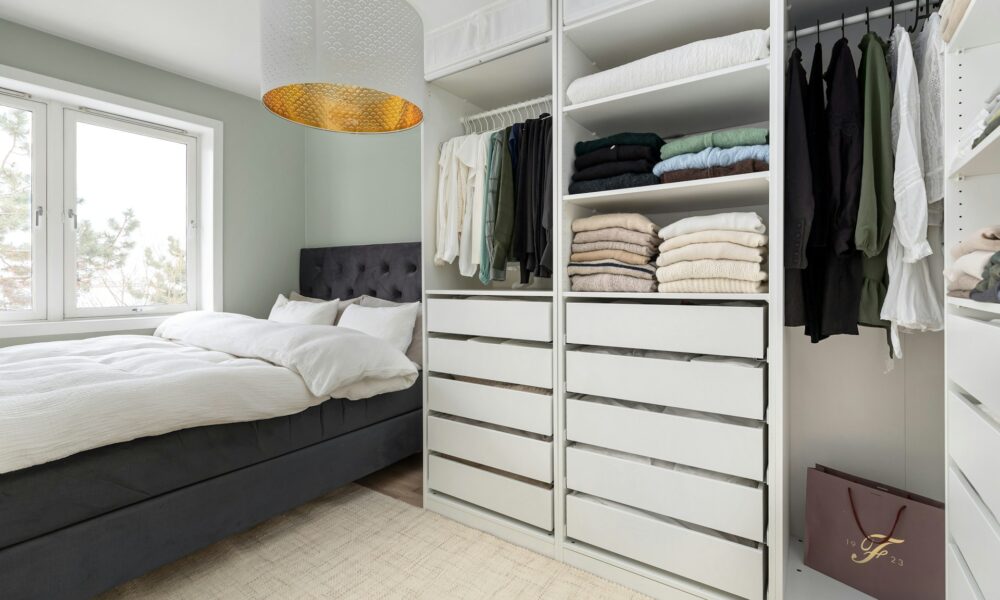
Opening your closet doors to a mountain of clothes, only to feel like you have absolutely nothing to wear, is a frustrating daily experience for many professionals.
You might spend valuable morning minutes sifting through outdated trends, ill-fitting garments, and impulsive purchases. This overwhelming clutter often leads to decision fatigue before the workday has even begun.
Streamlining your clothing collection offers a practical remedy to this common problem. By curating a selection of versatile, high-quality garments, you can ensure that every item you own serves a distinct purpose.
This approach eliminates the daily stress of outfit planning and allows you to present a polished, cohesive image with minimal effort. Embracing minimalist fashion principles fundamentally changes how you view personal style.
In the following sections, we will outline exactly how to build a highly functional clothing rotation. You will learn practical fashion tips to help you select the right pieces, coordinate colors, and organize your space.
By the time you finish reading, you will possess a clear roadmap for creating a capsule wardrobe that perfectly aligns with your professional and personal lifestyle.
1. Assess Your Current Clothing Collection
Before purchasing anything new, you must thoroughly evaluate what you already own. This foundational step requires honesty and a willingness to clear out unnecessary clutter.
Identify the Keepers
Start by emptying your entire closet and categorizing each item. Your “keep” pile should only include garments that currently fit well, make you feel confident, and align with your daily activities.
Look for those trusted basics that you reach for week after week. These reliable garments will form the base of your new streamlined system.
Let Go of the Rest
The hardest part of organizing is parting with items you no longer need. Sort the remaining clothes into the following categories:
- Donate: Items in good condition that no longer fit your body or your style.
- Recycle: Garments that are stained, torn, or damaged beyond repair.
- Store: Seasonal items like heavy winter coats or specialized formal wear that you only need a few times a year.
Applying these straightforward fashion tips during your clean-out phase will immediately make your space feel more manageable.
2. Define Your Personal Style Profile
A successful clothing rotation must reflect your actual lifestyle, not a fantasy version of it. A corporate lawyer will have vastly different daily requirements than a freelance graphic designer.
Find Your Core Colors
Selecting a cohesive color palette ensures that all your garments can mix and match seamlessly. Most successful minimalist fashion enthusiasts rely heavily on neutral base colors.
Consider building your foundation around black, navy, charcoal, or beige. Once you establish these anchors, you can add two or three accent colors that complement your skin tone and bring personality to your outfits.
Choose Fabrics That Last
Quality takes precedence over quantity when you own fewer items. Pay close attention to fabric composition when evaluating your style profile.
Natural fibers tend to breathe better and last longer than synthetic alternatives. Consider incorporating:
- Cotton for everyday breathability.
- Merino wool for temperature regulation.
- Linen for warm-weather comfort.
- Silk for professional elegance.
3. Select the Essential Core Pieces
Now you are ready to assemble the building blocks of your outfits. The exact number of items will vary based on your preferences, but a standard capsule wardrobe usually contains between 30 and 40 versatile pieces.
Top Half Fundamentals
Your tops should offer enough variety to transition from a morning meeting to an evening dinner.
Focus on acquiring a crisp white button-down shirt, a few high-quality neutral t-shirts, and a lightweight cashmere or merino wool sweater. These pieces layer effortlessly and serve as blank canvases for different accessories.
Bottom Half Basics
Bottoms need to be durable and exceptionally comfortable. You can anchor your collection with a tailored pair of dark denim jeans, a set of professional trousers in your chosen base neutral, and a versatile skirt or chino, depending on your aesthetic preferences. Ensure these items fit impeccably, as you will be wearing them frequently.
4. Incorporate Strategic Layering Options
Layering pieces adds visual interest to your daily outfits while providing necessary warmth and functionality throughout shifting seasons.
Professional Outerwear
A structured blazer instantly elevates a basic t-shirt and jeans into a business-appropriate ensemble. Select a blazer in a dark neutral shade with excellent tailoring through the shoulders.
Additionally, a classic trench coat provides a sophisticated outer layer that shields you from the elements while maintaining a sharp silhouette.
Casual Jackets
For relaxed environments or weekend outings, you need outerwear that bridges the gap between comfort and style.
A well-fitted denim jacket or a sleek leather moto jacket provides excellent texture and dimension. These items soften formal outfits and add a polished edge to casual weekend wear.
5. Add Versatile Footwear and Accessories
Accessories and shoes are the secret weapons of minimalist fashion. They allow you to completely change the tone of an outfit without changing the core garments.
Shoes for Every Occasion
You do not need a closet full of shoes to be well-dressed. A highly functional rotation typically includes:
- A classic leather loafer or Oxford for professional settings.
- A clean, minimalist white sneaker for casual days and commuting.
- A comfortable ankle boot for transitional weather.
- A versatile pump or dress shoe for formal obligations.
Belts, Bags, and Jewelry
Keep your accessories simple and refined. A reversible leather belt (black on one side, brown on the other) maximizes utility. Invest in a structured leather tote or briefcase that can hold your daily essentials without looking bulky.
For jewelry, subtle gold or silver pieces—such as a simple watch or stud earrings—add a touch of elegance without overpowering your look.
6. Maintain Your Streamlined Closet
Building your ideal closet is only the beginning; maintaining its functionality requires ongoing discipline and mindful consumption.
Seasonal Rotations
To keep your space organized, implement a seasonal rotation system. Store off-season items in vacuum-sealed bags or under-bed storage boxes.
This practice keeps your current options visually clear and gives you a sense of “shopping” for your own clothes when the weather changes.
Smart Shopping Habits
When you do need to replace an item or fill a genuine gap, approach shopping with strict intention. Ask yourself if the new piece works with at least three existing items in your collection.
By adhering to the fashion tips discussed throughout this guide, you will avoid impulse buys and ensure that every new purchase actively enhances your daily rotation.
If you’re looking for more guidance on bringing this same level of organization and intention to other parts of your professional life, this website offers additional resources worth exploring.
Elevate Your Daily Routine
Embracing a curated approach to your closet goes far beyond aesthetics. It gives you back the time, energy, and mental bandwidth previously wasted on outfit anxiety.
When every item you own fits perfectly and works harmoniously together, getting dressed becomes a simple, enjoyable part of your morning routine.
Your journey toward a more intentional closet starts with that very first step of auditing your current collection.
Set aside a few hours this weekend to evaluate your garments, identify your core style, and begin the rewarding process of building your personalized capsule wardrobe.
You will quickly discover that true style comes from clarity, consistency, and wearing clothes that empower you to face the day with confidence.